
Can Local Honey Help with Seasonal Allergies?


Well, well, well… spring allergy season is just around the corner!
If you’re someone who struggles with sneezing, itchy eyes, congestion, and all the other joys of seasonal allergies, now is the time many people start adding local honey to their daily routine.
While honey isn’t a medical cure, many allergy sufferers say that eating small amounts of raw, local honey regularly seems to help them feel better during peak pollen months.
Let’s break down why.
Why Do Seasonal Allergies Happen?
Most spring allergies are triggered by pollen from local trees, grasses, and flowers. These tiny particles float through the air, and when you breathe them in, your immune system may overreact — causing:
- Sneezing
- Runny or stuffy nose
- Itchy, watery eyes
- Scratchy throat
For some people, allergies last from late winter through summer (February–July). Others may also experience summer, fall, or even year-round allergies.
Where Does Local Honey Come In?
Local bees collect nectar and pollen from the very plants growing in your area. As a result, raw local honey may contain tiny traces of local pollen.
Some people believe that regularly consuming small amounts of this honey is similar to giving your body very small, gradual exposure to local pollens — helping the immune system become less reactive over time.
Think of it as gently introducing your body to what’s already in the air around you.
⚠️ Important: Scientific research on honey and allergy relief is still limited, and results vary from person to person. Honey should not replace prescribed allergy medications or medical advice.
That said, many of our customers tell us they notice fewer or milder symptoms when they use local honey consistently.
A Common Honey Routine People Follow
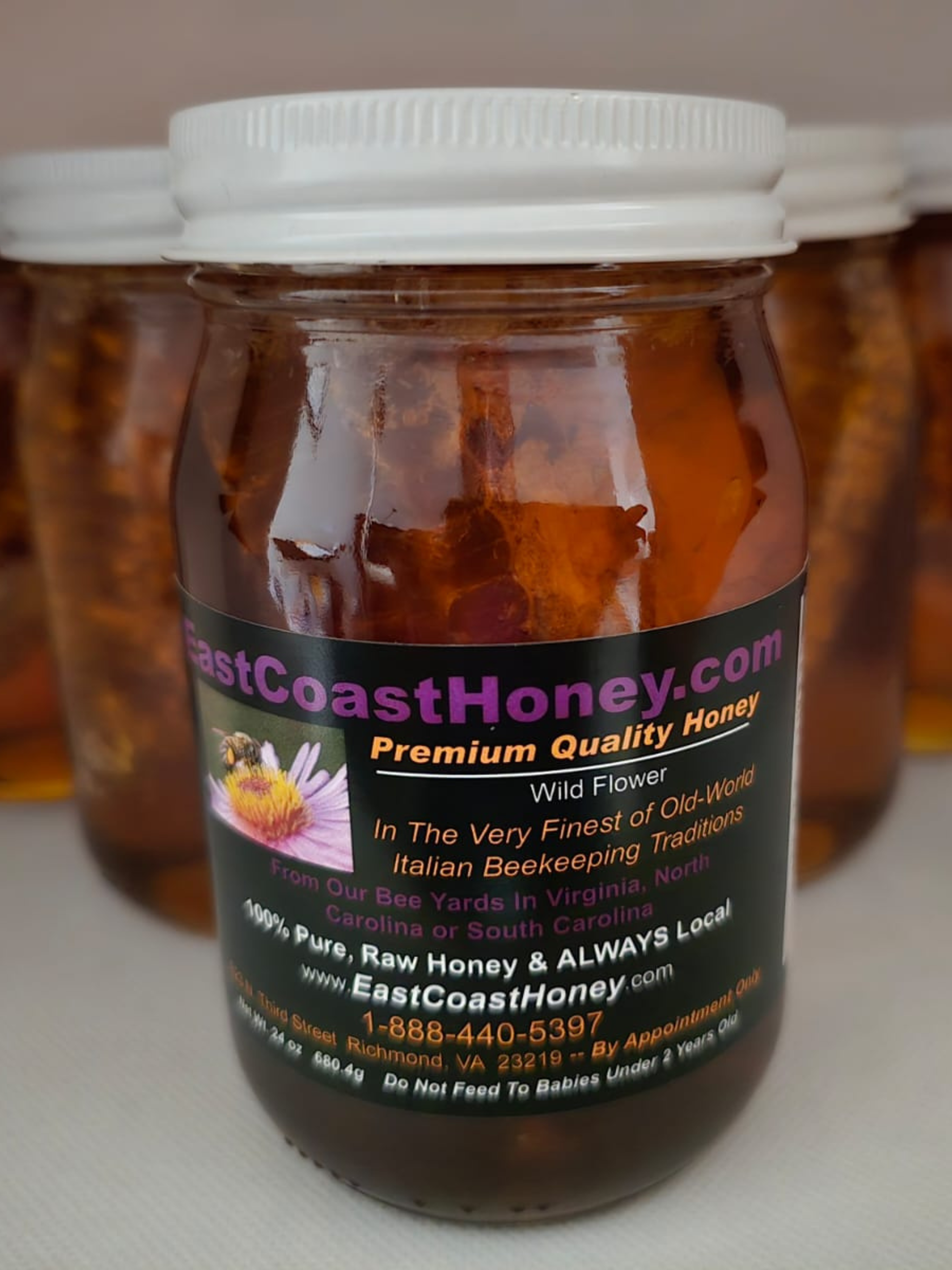

Based on customer experiences, many people buy two 24-ounce squeeze bottles of our local honey (about 30 tablespoons per bottle). Here’s a simple routine people often follow during allergy season:
🥄 Month 1: Build the Habit
- Eat at least 3 tablespoons per week of local honey
- Spread it out over the week (for example, a spoonful every other day)
The goal is steady, consistent exposure rather than large amounts at once.
🥄 Month 2 and Beyond: Maintain
- Eat at least 2 tablespoons per week
- Many people continue this amount throughout allergy season — and some year-round
Consistency is key. Skipping weeks at a time may reduce any potential benefit.
How to Take Your Honey
Local honey is delicious and easy to add to your day:
- Drizzle over toast, oatmeal, or yogurt
- Stir into smoothies
- Take a spoonful straight
- Mix into warm (not hot) tea
🔥 Avoid Very Hot Liquids
High heat can damage some of honey’s natural enzymes and beneficial compounds. If you’re adding honey to tea or drinks, make sure it’s warm, not piping hot.
Extra Health Perks of Local Honey
Even beyond allergies, raw local honey may offer:
✔ Natural antioxidants
✔ Soothing relief for sore throats and coughs
✔ A less processed alternative to refined sugar
✔ Support for local beekeepers and pollination

Final Thoughts
Local honey isn’t a miracle cure — but for many people, it’s a simple, natural addition to their routine that may help make allergy season more manageable.
Starting before pollen counts peak gives your body time to adjust, which is why now is a great time to stock up.
As always, if you have severe allergies, asthma, or other medical conditions, it’s best to talk with your healthcare provider before trying new remedies.
In the meantime… a spoonful of local honey never tasted so sweet 🍯