
Honey is often hailed as a natural miracle worker, but with so much conflicting advice online, it’s hard to know what it can actually do. Is it just a sugar fix, or is there real science behind the hype?
To answer this, we have to look at what honey is made of and what the clinical trials actually say.
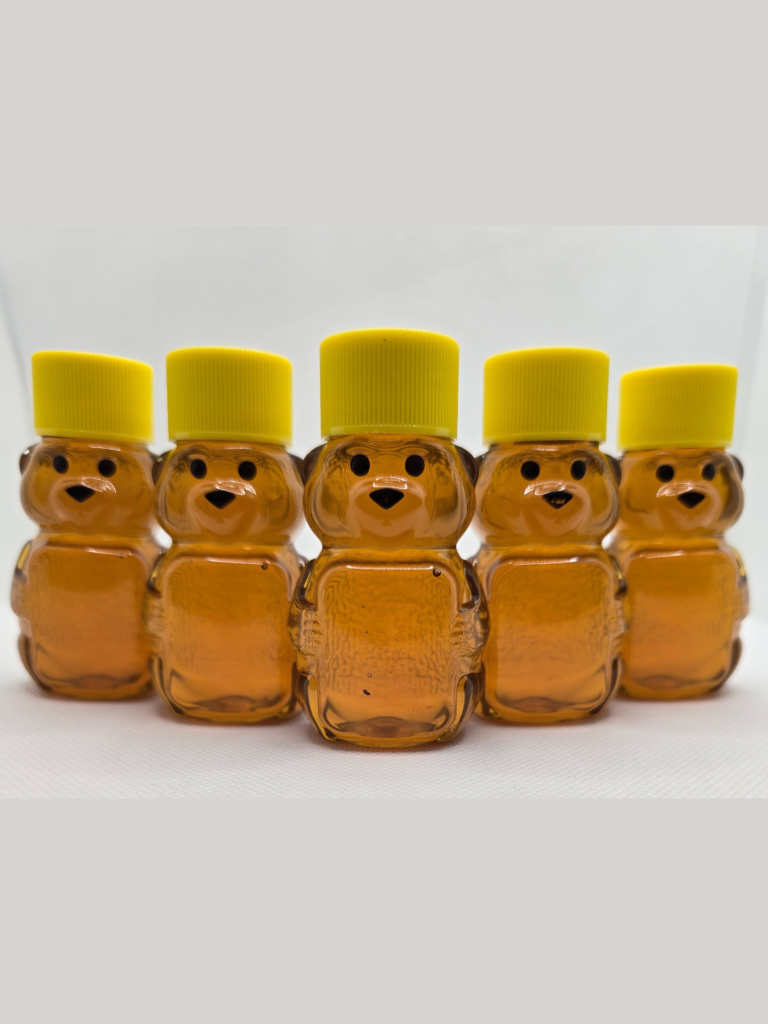
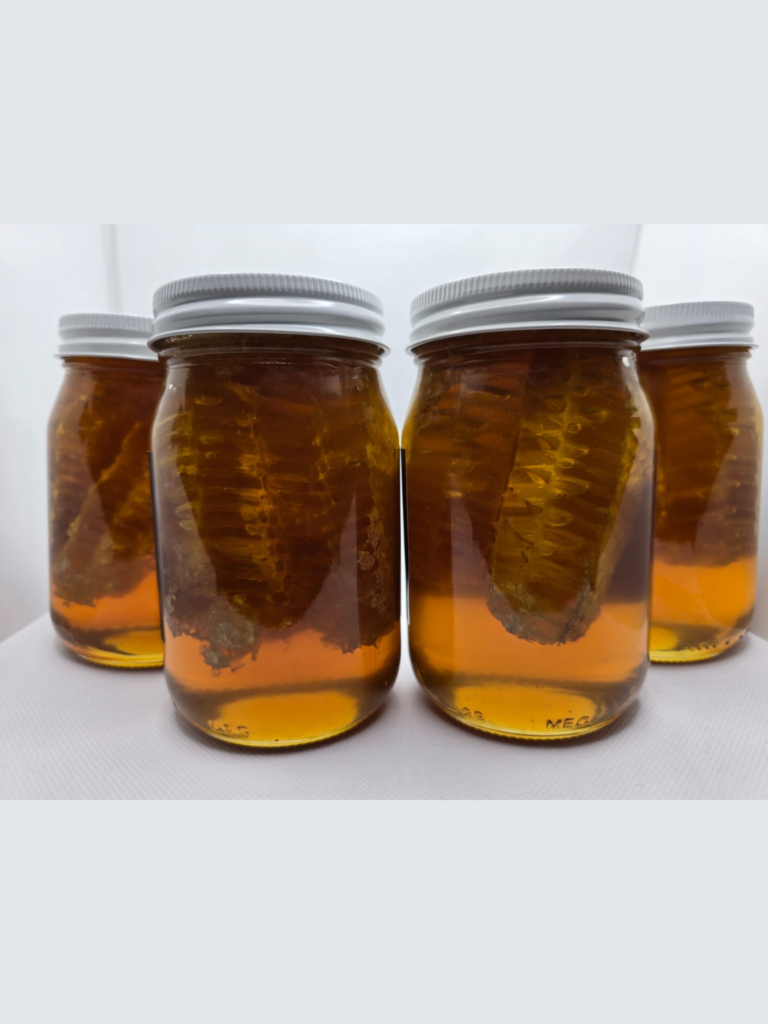
What’s Actually in Honey?
Before we dive into the benefits, it helps to understand the composition of this golden liquid.
Honey is roughly 20% water. The remaining 80% is sugar—primarily the simple sugars fructose (28-32%) and glucose (26-31%) . Because of this, honey can raise blood sugar levels. The glycemic index (GI) varies significantly depending on the floral source, ranging from as low as 35 (low) to as high as 72 (high).
However, honey isn’t just sugar. It contains trace amounts of:
- Vitamins: A, B1, B2, B6, and C.
- Minerals: Potassium, magnesium, iron, and zinc.
- Other Compounds: Amino acids, enzymes, and antioxidants.
Note: The nutritional content varies wildly based on where the bees collected pollen, when the honey was harvested, and how it was stored.
The Mechanics: How Honey Works Medically
Honey isn’t just a food; it has biological properties that make it useful for healing:
- Acidity & Osmotic Pressure: Honey is naturally acidic and extremely dense. This creates an environment (similar to quicksand) that dehydrates bacteria and prevents them from growing.
- Anti-inflammatory & Antioxidant: Beyond killing bacteria, honey contains compounds that help reduce inflammation and oxidative stress.
1. Wound Healing & Burns (Strongest Evidence)
If there is one area where honey has the most scientific backing, it is topical wound care.
- Burns and Post-Surgical Wounds: A major 2015 Cochrane review (the gold standard for medical evidence) found high-quality evidence that honey dressings helped second-degree burns heal 4–5 days faster than conventional dressings. There was also moderate-quality evidence that wounds infected after surgery healed faster with honey.
- Antibiotic-Resistant Infections: A 2020 review tested Manuka and medical-grade honeys against multi-drug resistant bacteria. The results showed that these honeys were effective against most species, suggesting honey could be a valuable tool for antibiotic-resistant infections.
⚠️ The Fine Print: You should not just grab a jar from your pantry for a serious wound. Only sterilized medical-grade honey (processed to remove contaminants) should be used for wounds, and always under the guidance of a doctor.
2. Cough Relief in Children (Mixed Evidence)
Several studies have looked at honey as a remedy for childhood coughs.
In five different studies, children who were given honey mixtures before bed tended to sleep better and experience less severe coughs compared to those given over-the-counter cough medicines or nothing at all.
⚠️ The Fine Print: This comes with major caveats. The studies used different types and quantities of honey, so we don’t know exactly which components are doing the work. Additionally, honey should never be given to infants under 12 months due to the risk of infant botulism.
3. Sleep Quality (Weak Evidence)
There is a common belief that a spoonful of honey before bed helps with sleep.
One trial involving 68 adults in the hospital found that those who drank a mixture of milk (150mL) and honey (30g) twice a day reported sleeping better after three days compared to those who did not.
⚠️ The Fine Print: This study is highly subjective. Participants knew they were getting the “comforting” honey-milk mixture, so the results could be due to a placebo effect. While chemical analysis has found traces of serotonin and melatonin in some honey varieties, researchers concluded the amounts were too small to affect human behavior (though they might affect bee activity).
4. Chronic Disease Management (Diabetes, Heart, Cancer)
The evidence for honey’s role in chronic disease is more nuanced.
- Diabetes: A 2023 review of 48 clinical trials found that honey had some positive effects on glucose tolerance and wound healing. However, because the doses and types weren’t standardized, researchers stressed that honey should only be used in addition to—not instead of—regular diabetes medications.
- Heart Disease: A 2022 analysis found that honey had no significant effect on total cholesterol, triglycerides, LDL (bad) cholesterol, or HDL (good) cholesterol. However, a 2025 meta-analysis on propolis (a compound bees make from tree resin, often found in raw honey) did show significant reductions in triglycerides, LDL cholesterol, fasting blood sugars, and blood pressure. The catch? Propolis supplements are expensive, and experts suggest that money is better spent on whole, healthy foods.
- Cancer Support: A 2023 review offered a bright spot for oncology patients. It found that honey helped alleviate ulceration and inflammation in the mouth caused by chemotherapy and radiotherapy, while also reducing some of the toxic side effects of chemo.
The Bottom Line
Local raw and unfiltered honey is a fascinating substance with legitimate, research-backed uses—particularly in topical wound care (via medical-grade products) and as a soothing agent for coughs.
However, it is not a magic bullet. Because honey is primarily sugar, its internal use for chronic diseases like heart disease and diabetes requires caution. If you are considering using honey for medical purposes, remember that the type, dose, and sterilization matter immensely.
Disclaimer: This article is for informational purposes only and does not constitute medical advice. Always consult with a healthcare provider before using honey as a treatment, especially for wounds, infants, or chronic conditions.