
Why Do Honey Bees Swarm? Understanding One of Nature’s Most Amazing Events
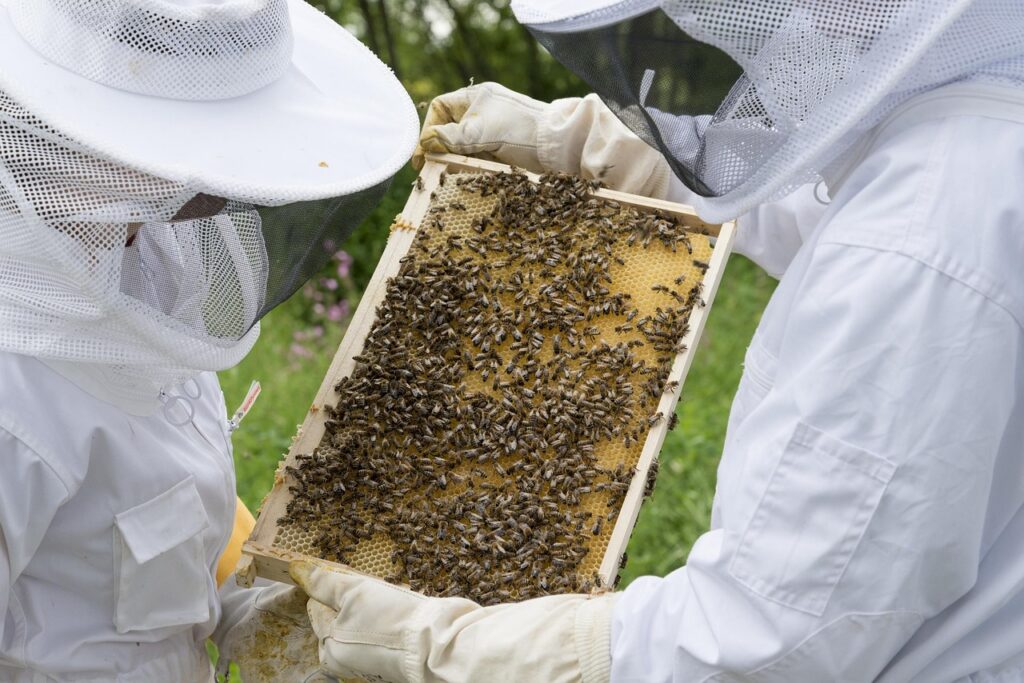

Seeing thousands of honey bees gathered in a tree or flying together can be startling, but it is usually nothing to worry about. A bee swarm may look intimidating, yet it is one of the most fascinating and natural parts of a honey bee colony’s life cycle. Swarming is how honey bees reproduce at the colony level and establish new homes, helping their population grow and thrive.
What Is a Bee Swarm?
A swarm happens when a healthy honey bee colony becomes crowded. As the hive grows during spring and early summer, the bees begin preparing to divide into two separate colonies. The existing queen leaves the hive with thousands of worker bees while a new queen remains behind to lead the original colony. This natural process allows honey bee populations to expand and find new places to live.
Before moving into a permanent home, the swarm often gathers on a nearby tree branch, fence, or another object. During this temporary stop, scout bees search the surrounding area for a safe location where the colony can build its new hive. Once a suitable site has been selected, the entire swarm flies to its new home.
Are Swarming Bees Dangerous?
Although a swarm may contain thousands of bees, they are generally much calmer than bees protecting an established hive. Because they have not yet built a nest or stored honey, they have very little to defend. Most swarming bees are focused on staying together and following their queen rather than bothering people.
That said, it is always best to keep a safe distance and avoid disturbing the swarm. Individuals with bee allergies should be especially cautious. If you discover a swarm on your property, contacting a local beekeeper is often the best solution. Many beekeepers are happy to safely relocate the bees instead of having them destroyed.
Why Swarming Is Good for Bees
Swarming plays an important role in maintaining healthy honey bee populations. It allows colonies to spread into new areas, increases genetic diversity, and helps bees adapt to changing environments. While beekeepers often manage hives to reduce swarming during honey production season, swarming itself is a sign that a colony has become strong and successful.
Beekeepers may even capture swarms and provide them with new hives, giving the bees a safe place to live while helping support local pollinator populations. This practice benefits both the bees and the surrounding environment.
Appreciating Nature’s Amazing Pollinators
The next time you see a cluster of honey bees hanging from a tree branch, remember that you are witnessing one of nature’s most remarkable survival strategies. Rather than being a cause for alarm, a swarm is often a healthy colony searching for a fresh start.
At East Coast Honey.com, we are passionate about educating people about honey bees and the important role they play in our ecosystem. Our 100 percent pure, raw, and local wildflower honey comes from healthy colonies that help pollinate crops and wildflowers across Virginia, North Carolina, and South Carolina. By supporting local beekeeping, you are also supporting the hardworking bees that make every jar of honey possible.
References
Inspired by Why Bees Swarm in Bend Explained published by Central Oregon Daily.